
Self-Inflicted Wounds at CBS News
Bari Weiss Keeps Missing the Fundamentals
Peter Attia has left his role as a CBS News contributor, three weeks after the Epstein files revealed he'd provided medical advice to Jeffrey Epstein and made crude comments about women. CBS had stayed silent for weeks, apparently hoping the story would pass. It didn't.
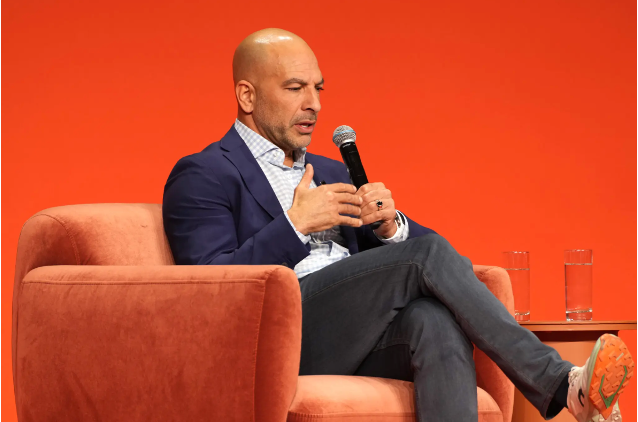
Courtesy The New York Times
Bari Weiss, CBS News’ new Editor-in-Chief, can bemoan cancel culture, but she misses the central issue. Would viewers have considered Peter Attia a credible on-air health expert given his comments in the Epstein files?
That's the question she never fully addressed. If she had, she might have moved faster.
I believe the answer is no. And that's not cancel culture. That's audience trust, which is the only currency a news organization has.
Instead of making a fast, clear decision, Weiss let both the CBS News brand and Attia twist in the wind for three weeks. No comment. Radio silence while the story metastasized.
Crisis communications comes down to three things: speed, clarity, and control. Weiss had none of them.
Speed: Attia's contributor role hadn't even started. Pulling it immediately costs nothing. Waiting costs everything.
Clarity: "We've mutually agreed to part ways given the circumstances" is a one-line statement that ends the news cycle. Instead, CBS went silent.
Control: Weiss rolled out her new contributor lineup with fanfare. Only a few days later, the Epstein files dropped. CBS News said nothing, despite multiple requests for comment on the status of Attia’s role. Three weeks of silence while the story wrote itself. Whether Attia resigned or was pushed, the result is the same: CBS looked reactive, not decisive.
When you don't control the narrative, someone else will.
This is the latest in a series of self-inflicted wounds at CBS News under Weiss's leadership. Pulling the 60 Minutes segment on CECOT. The CBS Evening News rollout where Weiss herself said the goal was not to report the news, but “be the news.” And the departure of Anderson Cooper, one of their highest profile journalists. Each one erodes the trust the network has spent decades building. And trust, once lost at a news organization, doesn't come back on a rebrand timeline.