
McConaughey’s AI Trademark Strategy and the Next Chapter of NIL
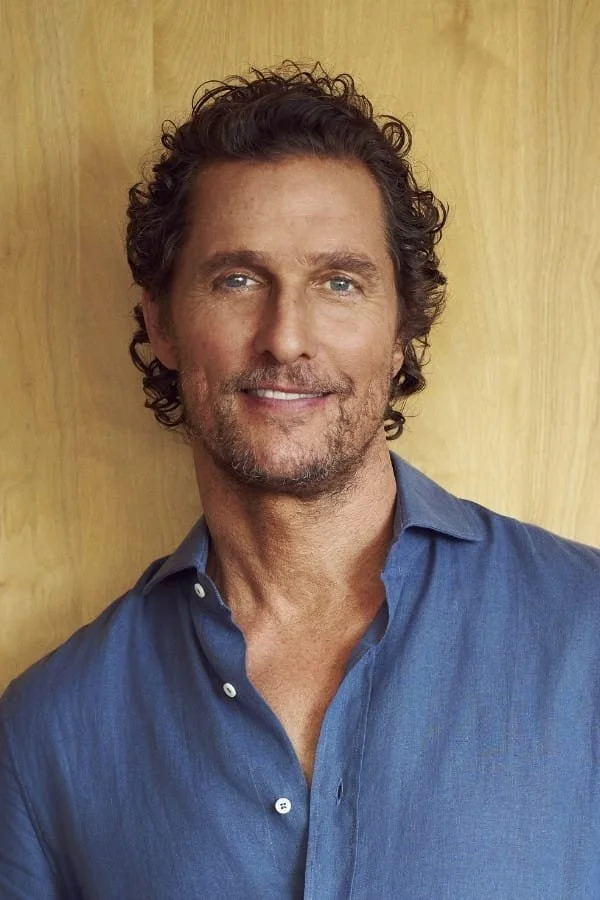
“Alright, alright, alright.”
Matthew McConaughey just trademarked himself.
Not for merch. To draw the map.
Actually, he's secured eight USPTO trademarks—clips of him talking, staring, smiling—and of course the famous catchphrase "Alright, alright, alright." The goal is to establish where the property lines are in a burgeoning AI world.
His framing is blunt: consent and attribution as the norm. A simple standard. If his voice or likeness shows up, it’s because he approved.
"We want to create a clear perimeter around ownership with consent and attribution the norm…My team and I want to know that when my voice or likeness is ever used, it's because I approved and signed off on it."
Think about NIL as the first widely understood map of identity-as-property. College athletes spent years forcing the system to recognize a basic premise: your identity is not free inventory. NIL—name, image, and likeness—didn’t solve every edge case, but it established a norm—permission and payment—and it created infrastructure for how consent gets granted.
McConaughey is doing something similar for the AI era: trying to make “use of my voice/likeness” a governed transaction, not a default scrape.
Tech is outpacing regulation, so everyone's charting their own boundaries:
→ Actors trademarking themselves
→ News organizations choosing between licensing and litigation
→ Trade groups threatening legal action after ChatGPT let users "Ghibli-fy" their selfies in a studio’s signature style
These aren't just individual acts of self-protection. They're potentially precedent setting for us all. Each adds a line to a map that doesn't exist yet but will govern AI eventually.
McConaughey's lawyers are candid: they don't know if courts will uphold it. That uncertainty is the point.By filing for these trademarks, they're forcing the courts to start drawing the map.